
Pushing Debate to the Limit
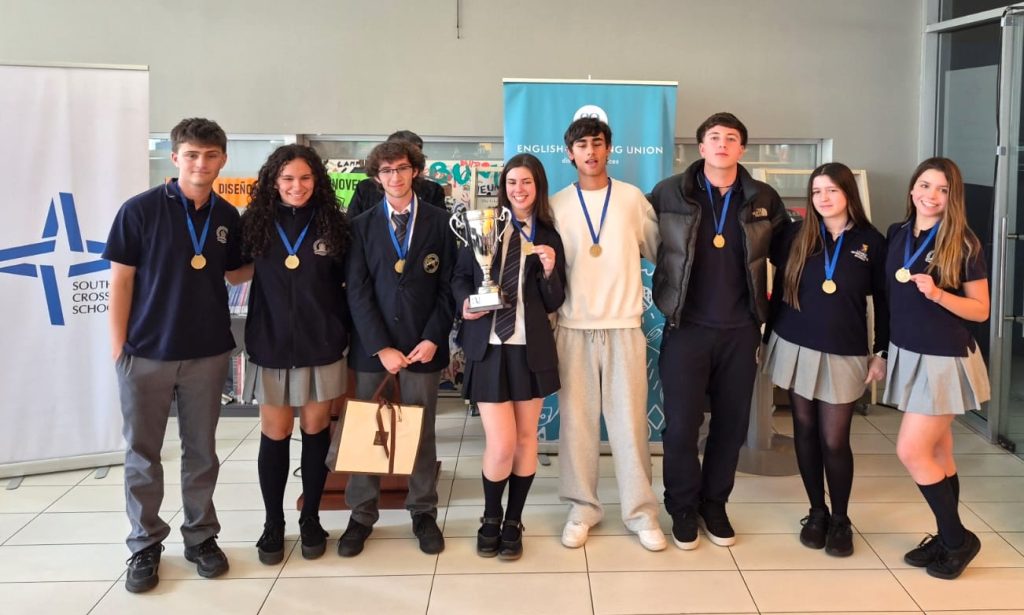
Did you know that a chess grandmaster can lose nearly half a kilo a day during a high-level tournament? The 1984 World Chess Championship was called off after five months and 48 games because defending champion Anatoly Karpov had lost 10 kg. Other contestants said “he looked like death.” A high-stakes, intellectually demanding activity drains the practitioner of every drop of their bodily resources. As well as their mental prowess, they must develop their physical strength. Just to keep up.
Duets in the Key of Nature
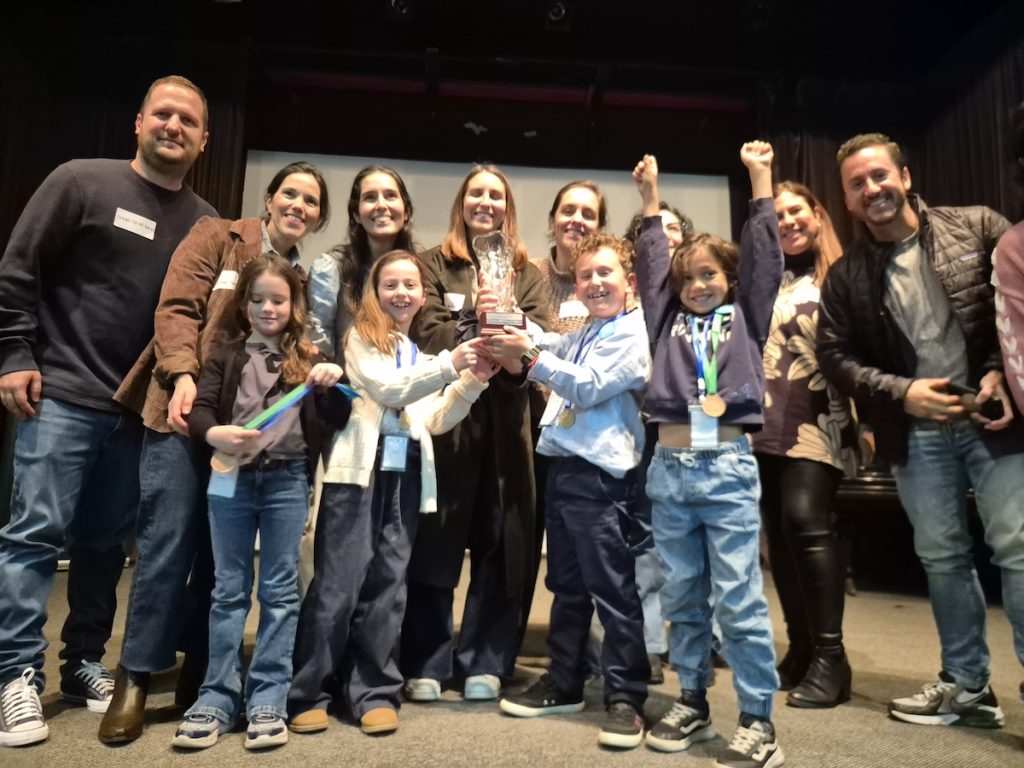
We opened up the doors to greet the early morning crowd. Away they stampeded down auditorium way, where duets in the key of Nature waited to be sung. On stage they stood in friendly pairs, this early morning crowd, freeing by turns their inner beasts: koalas woken by snoring horses, roaring lions startling squeaking mice and dogs sniffing for hay. Picnicking elephants, scaredy-cats, forgetful ducks, hanging sloths and perching cheetahs, walruses tiffing with raccoons at bedtime, and cows with more stomachs than anyone could stomach. Funny, words. Yet, through the cacophony, we find we are all alike.
Wayward Sparks, Homebound

Young and old arrived in leaps and bounds, or in the slow shuffling of age-tired feet, up the three steps, through French doors that led to a well-lit atrium. In the early morning hours, when the winter sun doesn’t bother to care and just hits the snooze button, the light seemed to be emerging from within, as if the people entering were sparks coming back home to a bonfire lit long ago. It was warm inside too, despite the cold streets left behind.
Blessed are the Bumbling Bees!

At the English-Speaking Union Chile, we like to talk about our students’ participation in our events throughout their lives as the ‘ESU Journey’, where each of our competitions can be viewed as a stepping stone towards proficiency in the English language; from learning how to spell to constructing and responding to complex arguments in debate.
Holding the Light in Patient Expectation

For every hundredth haiku that has survived the bonfires of History there is another, like this one by the 18th-Century Japanese Poet and Painter Yosa Buson, that distils expression and meaning into the simplest poetic reverie, only to be seen, iridescent, by shielding our senses, like the blinding midday sun leaking between pillars of a long-abandoned ruin. This is when our imaginations are startled into play.
Between What We See and What We Hear: Where Speech Becomes Wonder

There are as many ways we can read poetry as there are poems and readers in this world.
We can read it silently, under the bedcovers with a smuggled torchlight, or nestled in an armchair nibbling on an apple, stitching a broken heart, warmed by a smouldering fire…
We are large, we contain multitudes!

One account of what growing up entails is learning to live with contradictions. Whether as individuals, groups, or nations, if we are seduced by the notion of attainable purity (of race, ideology, creed, or even knowledge) we inevitably become blind to our very nature: imperfect, incomplete, and in need of others. To grow up is to learn to have enough, rather than to strive to have it all.
Speak On, and Unveil the Wonder in Our Hearts!

This year’s theme for Duologue and Poetry is “Voices of Wonder: Tales and Verses Through the Years.” In honour of our 20th Anniversary, we’ve selected poems and duologues that have been especially popular in these competitions throughout the years. We hope this selection inspires our students to open their heart to the wonder and delight of speaking in English!
A Rush, a Hush and the Words are Ours!

The morning of Saturday, 14 June arrived with hushed drama—cold, grey, teasing an ever-retreating sun that wouldn’t deign to warm us anyway, deep now as it was in early winter slumber. Clouds hung low like closed books with stories untold…
Growing the Buzz, One Word at a Time!

One hundred and fifty-one participants, coming from thirty-two schools, spread across six grade levels. Nearly three hundred words were spelt over three days, each taking twenty seconds. That’s six thousand seconds (a hundred minutes, or nearly two hours) spent hearing participants – some as young as eight years old – say the word, spell it, and say the word again, hoping – always hoping – they’d got it right.